
Understanding and Challenging Interpol Notices: A Comprehensive Guide
Interpol notices play a crucial role in international law enforcement, aiding in the identification and apprehension of individuals wanted for crimes committed in various jurisdictions. While they serve an important purpose, these notices can also be contentious, particularly when they are issued against individuals who believe they are wrongfully accused or subjected to political persecution. This article delves into the nature of these notices, the legal frameworks surrounding them, and the strategies for effectively challenging their issuance. For an in-depth look at the procedures involved, visit
challenging Interpol notices https://anaisnailspa.com/pgs/challenging-interpol-notices-legal-procedures-and-practical-approaches.html.
What Are Interpol Notices?
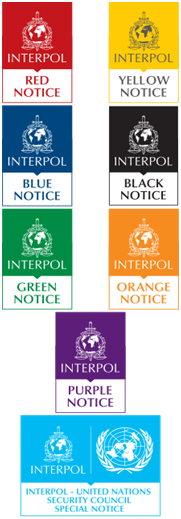
Interpol issues several types of notices, each designated for different purposes, ranging from seeking information to alerting law enforcement about particular individuals. The most notable types include:
- Red Notice: A request to law enforcement worldwide to locate and provisionally arrest a person pending extradition, surrender, or similar legal action.
- Blue Notice: A request for information about a person’s identity or activities in relation to a crime.
- Green Notice: A warning about a person’s criminal activities, intended to provide alerts about potential threats.
- Black Notice: A request for information on unidentified bodies.
The Complexity of Interpol Notices
The issuance of an Interpol notice can have significant repercussions on an individual’s life. A Red Notice, for example, can lead to arrest and detention, often based on allegations that may lack comprehensive judicial scrutiny. This complexity is heightened by the interplay of various national laws and the political motivations that can underlie some charges. It is important to understand that while Interpol provides a framework for cooperation among law enforcement agencies, it does not involve itself in judicial matters or adjudicate cases.
Legal Framework Surrounding Interpol Notices
Interpol operates under strict principles that emphasi
ze neutrality, respect for human rights, and the rule of law. However, these principles are often challenged in practice. The legal framework surrounding Interpol notices includes:
- Article 3 of Interpol’s Constitution: Prohibits any intervention in matters of a political, military, religious, or racial character.
- Due Process Considerations: Challenges may emerge if the individual believes that their fundamental rights are being infringed upon.
- Extradition Treaties: Different countries have varying requirements regarding extradition, which may complicate the enforcement of a Red Notice.
Challenging an Interpol Notice
For individuals who find themselves subject to an Interpol notice, there are several pathways to challenge it. Here are some common strategies:
- Legal Representation: Engaging a lawyer experienced in international law and human rights can significantly improve the chances of successfully challenging a notice.
- Request for Cancellation: Individuals can submit a request to Interpol to cancel the notice, arguing that it violates the organization’s rules, such as being politically motivated.
- National Legal Remedies: It may also be possible to challenge the notice through local courts, especially if it leads to wrongful arrest or detention.
Practical Considerations
Navigating the challenges posed by an Interpol notice requires careful planning and consideration. Here are some tips for individuals facing this situation:
- Gather All Relevant Documentation: Accumulate all legal documents, evidence, and records that may support your case.
- Create a Support Network: Non-profits and human rights organizations can provide support and resources.
- Stay Informed: Keep updated on legal changes in both your home country and in countries where you may seek assistance.
Case Studies
Various high-profile cases have illustrated the challenges associated with Interpol notices. For instance, individuals with political claims have often cited misuse of Interpol’s systems as tools for persecution. Case studies reveal that the impact of these notices is not merely legal but often societal, affecting personal and professional lives on a global scale.
Conclusion
Interpol notices can serve important functions in international law enforcement. However, their potential misuse raises significant ethical and legal concerns. For individuals facing the threat of an Interpol notice, understanding the legal frameworks, available remedies, and practical considerations is essential for navigating this complex environment. By leveraging legal resources and advocacy, individuals can challenge such notices effectively and strive for justice.